
On June 18, Martinez Construction Management brought together friends and colleagues from New York’s architecture, design, publishing, and construction communities for an evening devoted to a defining relationship in residential construction: that of architect and builder.
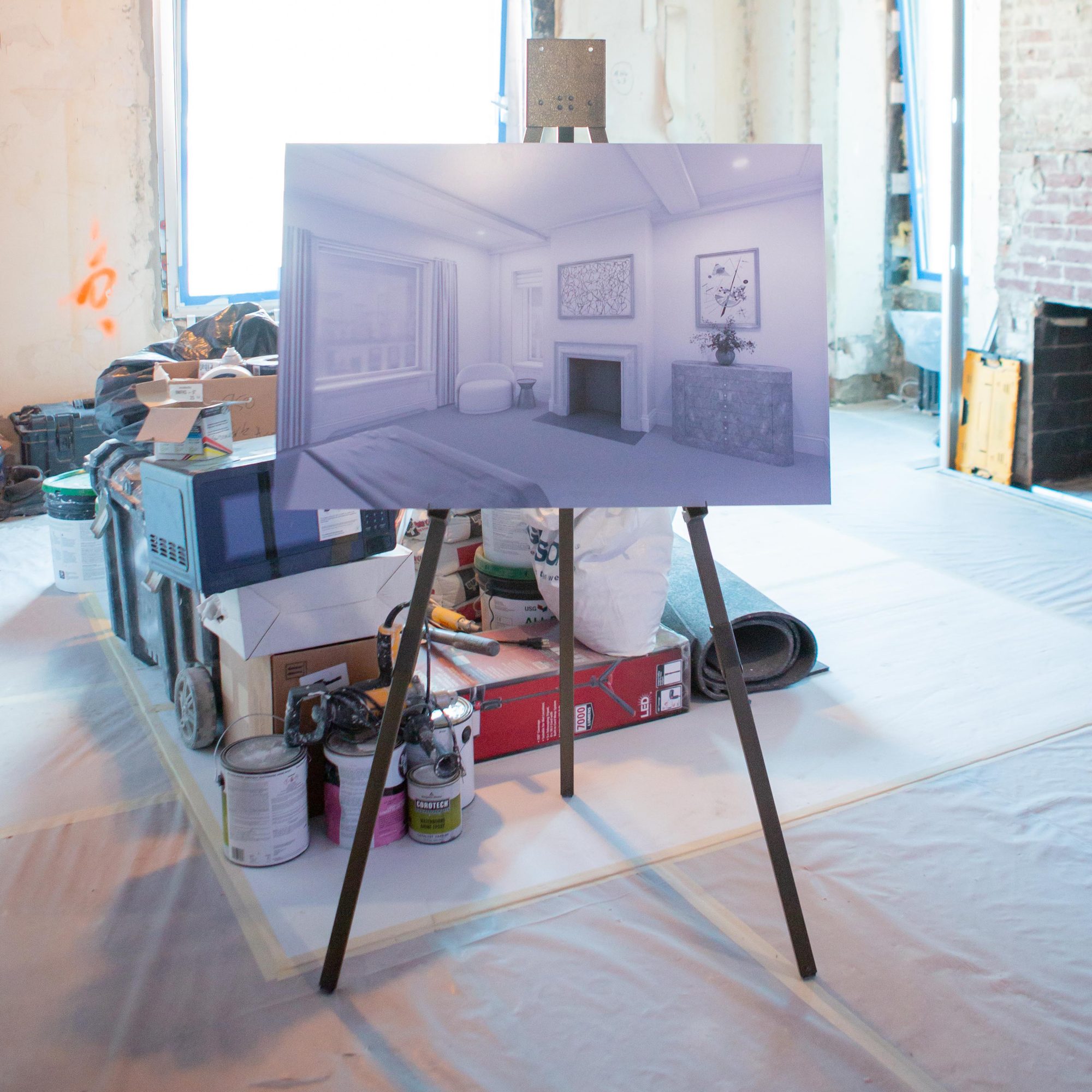
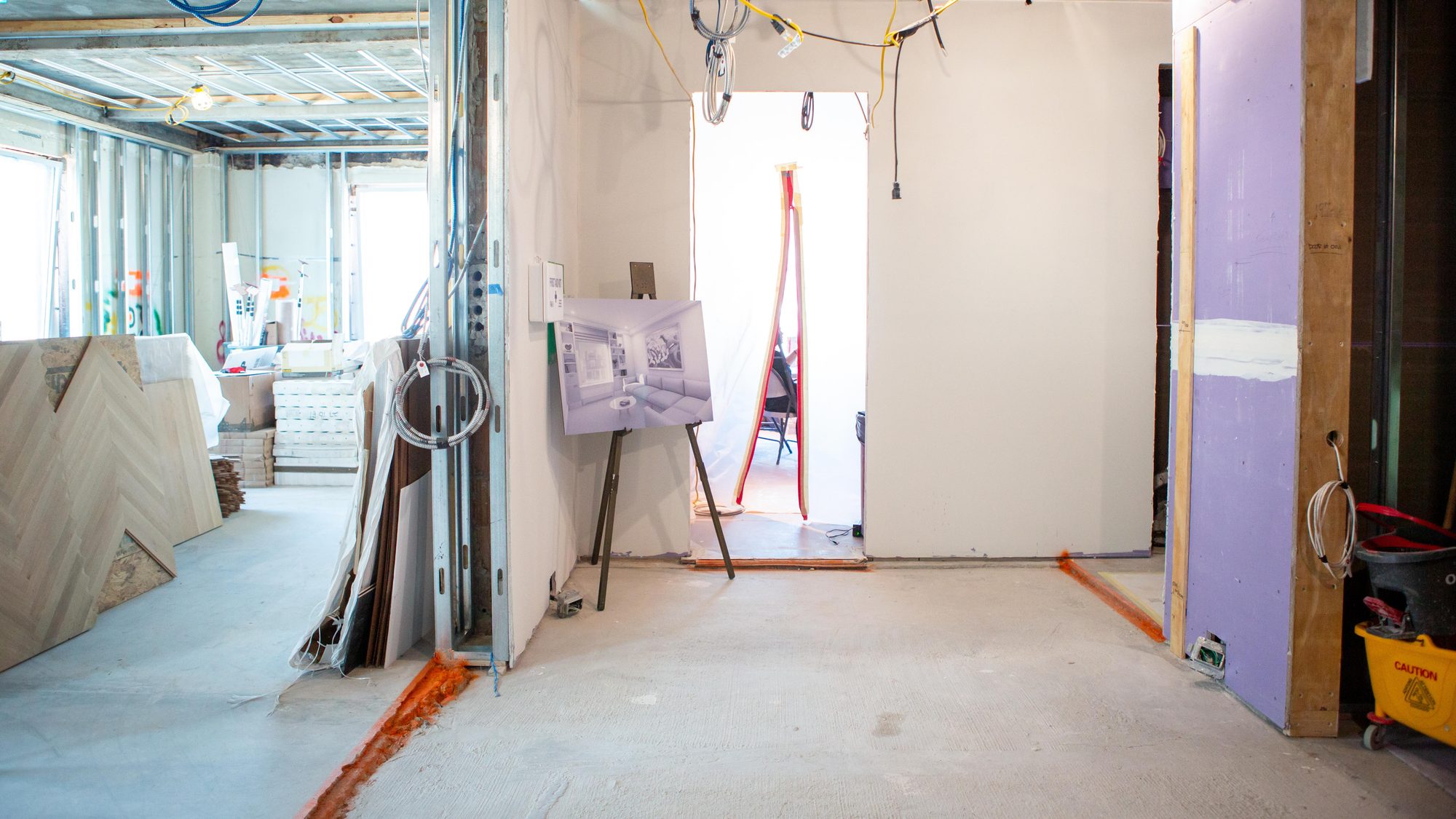
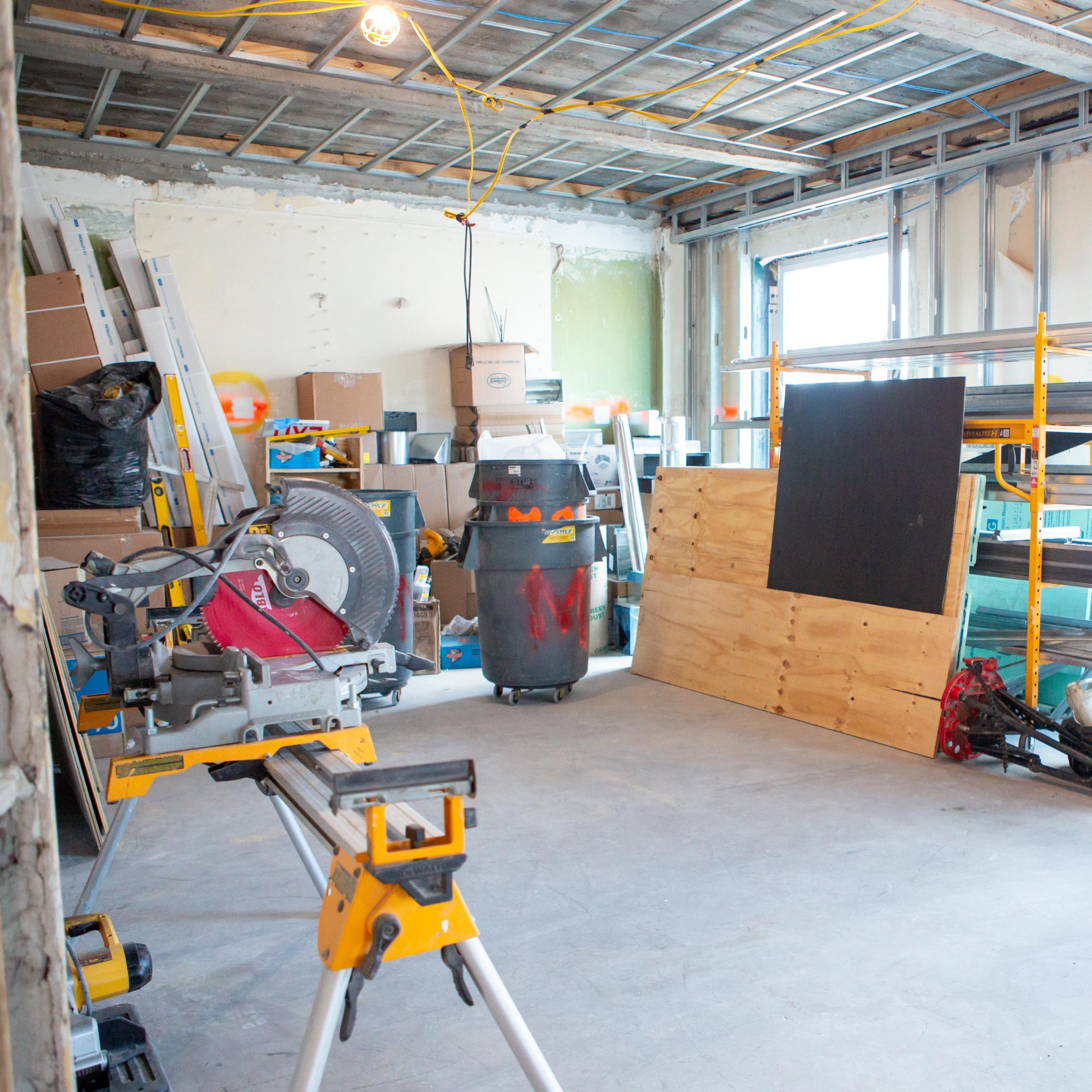
The evening began with a private tour of a Park Avenue residence undergoing a comprehensive renovation, where guests experienced firsthand the complexities of an active construction site. Within this setting, MCM founder Will Martinez and architect Tomer Tal joined Lauren Luskey, Martinez Construction Management’s Director of Business Development, for an open conversation about what happens between the drawings and the finished space.
Rather than focusing on completed projects or finished photographs, the discussion explored the decisions, coordination, and technical problem-solving that determine whether an architectural vision is fully realized. From preconstruction planning and sequencing to the resolution of intricate architectural details, the conversation examined how architects and builders navigate the realities of construction while preserving the integrity of the original design.
Following the on-site conversation, guests gathered for dinner at The Lotos Club, where the discussion continued around the professional relationships, shared standards, and trust that underpin exceptional residential work.

When Execution Becomes Part of the Design
At the highest level of residential construction, the ability to build is only the starting point. Existing conditions, building codes, structural limitations, sequencing, and the coordination of multiple trades introduce constraints that must be resolved without compromising the design.
For MCM, that work begins long before construction reaches the field. Thorough preconstruction planning, detailed budgeting, early identification of potential conflicts, and close coordination with architects, consultants, and trade partners establish the conditions for successful execution. The objective is to resolve as much uncertainty as possible before it becomes a disruption on site.
Experience is central to that process. Tal, who has spent more than two decades designing high-end residences in New York, was direct about what he expects from a builder. “Goodwill is not going to cut it,” he observed, emphasizing that successful execution depends on experience, foresight, and a clear understanding of how decisions made early in a project affect everything that follows.
The best builders, in his view, do more than interpret drawings. They anticipate challenges, recognize opportunities, and look for ways to make a project better.
Yet even the most carefully developed drawings cannot anticipate every condition within an existing building. Historic residences and prewar apartments, in particular, can reveal unexpected structural, mechanical, and architectural conditions once walls and ceilings are opened. These discoveries may introduce complications, but they can also uncover opportunities to improve a space in ways that were never apparent on paper.
In these moments, the builder becomes an essential resource for the architect: documenting existing conditions, identifying constructability issues, developing meaningful requests for information, and helping the design team evaluate solutions efficiently.
The objective is not to simplify the architecture to accommodate construction. It is to understand the constraints, explore the possibilities, and find the best way to build what was envisioned.
Where the Details Matter Most
The conversation turned to millwork as one of the clearest examples of where design intent and construction expertise intersect.
Custom millwork demands a level of coordination that extends well beyond the appearance of a finished elevation. Material tolerances, substrate conditions, concealed systems, plaster returns, stone interfaces, and installation sequencing must all be considered together. A detail that appears straightforward on paper may require extensive collaboration between the architect, builder, carpenter, plasterer, and millworker before it can be executed successfully.
For Tal, millwork is where drawings often require the greatest interpretation. It is where the finest details meet the realities of materials, building systems, and existing conditions—and where architect, builder, and fabricator must work through the details together.
His preferred approach is direct: “get everyone in the room.”
Bringing the relevant trades to the same table allows the team to resolve the relationships between materials and assemblies before they are built, rather than attempting to reconcile conflicts during installation. It is a process that demands technical understanding, clear communication, and an appreciation for how one decision affects the next.
The difference often lies in details that are almost imperceptible when viewed individually. A molding profile with precisely considered proportions. Wood boards selected to avoid short lengths. Solid wood nosing that protects the edge of a shelf from cracking or denting. Plaster, millwork, and stone meeting with the precision that makes their junction appear effortless.
As Tal observed, these decisions may seem minor on their own. Collectively, they define the quality of the finished space.
For MCM, achieving that level of resolution requires practical systems in addition to skilled craftsmanship. Careful benchmarks and layouts, verification of existing conditions, scanning where appropriate, and the use of story poles to coordinate dimensions across trades help translate complex details into work that can be executed accurately in the field.
The most successful details are rarely the result of improvisation at the moment of installation. They are the result of anticipating how every component will meet, function, and endure.
Craftsmanship Is Built on Relationships
Exceptional craftsmanship depends on the people responsible for producing it—and on the relationships that allow them to work as a coordinated team.
Many of MCM’s trade relationships extend back nearly two decades, built through repeated collaboration, shared expectations, and an understanding of the standards required on demanding residential projects. That continuity brings more than familiarity. It creates a common language, allowing teams to anticipate one another’s needs and address challenges with greater efficiency.
The same care applies when establishing new trade partnerships. MCM evaluates not only a firm’s portfolio and shop drawings, but also its facilities, leadership, fabrication processes, finishing capabilities, and installation practices. Understanding how a piece moves from drawing to fabrication to the finished space is essential to determining whether it will perform as intended over time.
A beautifully rendered shop drawing is only one part of the equation. The finished work must withstand the realities of fabrication, installation, and everyday use.
When the entire team operates to a shared standard, coordination becomes more fluid. Trades can plan their work around one another, decisions are addressed before they create delays, and the project maintains momentum. When communication breaks down, the consequences are felt across the site.
Craftsmanship, in this sense, is not simply an individual skill. It is the result of a coordinated process in which each participant understands both the quality of their own work and its relationship to everything around it.
The Work That Remains Unseen
Some of the most consequential decisions in a residence are those that disappear entirely once construction is complete.
A duct rerouted to preserve ceiling height. A plumbing adjustment that creates additional storage. A concealed door detailed to prevent future cracking. A transition between stone and millwork resolved before it becomes a visible flaw.
These interventions may never be recognized by the homeowner, yet they influence how a residence feels, functions, and performs for years to come.
The distinction is between a space that simply looks finished and one in which the underlying systems, materials, and details have been considered as carefully as the architecture itself.
For Tal, the concern is not limited to shortcuts in construction. It is the possibility of taking shortcuts in the thinking that precedes it. When details are not fully resolved, the consequences can surface long after the trades have left the site.
The work of a builder, therefore, extends beyond the visible progress of construction. It requires an understanding of what lies behind the finished surfaces, how materials behave, how systems interact, and what decisions today may mean for the longevity of a home.
Luxury is not simply what is visible. It is the rigor behind everything that isn’t.

Trust as a Construction Tool
The discussion also returned to the role of trust in a successful architect-builder relationship. Complex residential projects inevitably involve competing priorities, unforeseen conditions, and decisions that require judgment. No drawing set eliminates the need for collaboration, and no construction process unfolds without questions that demand timely answers.
The strength of the relationship lies in the team’s ability to address those moments directly.
Raising a concern early, even when it introduces an uncomfortable conversation, is part of responsible construction management. Clear communication gives the architect and client the information they need to make informed decisions while there is still time to evaluate alternatives. Delaying difficult conversations rarely makes a problem easier to solve.
For MCM, the builder’s responsibility is to create a reliable connection between the design team and the realities of the site—one grounded in transparency, accountability, and a shared commitment to the outcome.
That relationship also extends beyond project completion. When asked when he relies most on a builder, Tal explained that there is no single moment. He values a partner who is involved before construction begins and who remains available when a client calls five years later.
It is a perspective that places long-term relationships alongside technical ability as essential measures of a builder’s work.
The Architect as Composer. The Builder as Conductor.
As the conversation drew to a close, Tal offered an analogy that captured the relationship between design and execution: the architect is the composer; the builder is the conductor.
The architect establishes the vision. The builder brings together the people, materials, sequencing, and craftsmanship required to realize it. Each trade contributes its expertise, every detail must be resolved in relation to the whole, and the timing of each decision influences what follows.
The conductor does not rewrite the composition. The role is to understand it, coordinate its many parts, and ensure that each contributes to the intended result.
The same is true of exceptional residential construction. The builder must understand the architect’s intent deeply enough to protect it while navigating the technical and logistical demands of execution. That requires more than experience alone. It requires judgment, collaboration, and the willingness to approach challenges as shared problems rather than competing positions.
The setting for the conversation—a residence still taking shape—served as a reminder that architecture is realized through countless decisions that rarely appear in the final photographs but determine the quality of the finished work.
Following the discussion, guests gathered for dinner at The Lotos Club, extending the evening beyond the job site and reinforcing the professional relationships that make this work possible.
For Martinez Construction Management, the principle remains fundamental: exceptional residential construction is not simply about building well. It is about anticipating what comes next, resolving complexity with precision, and creating the conditions in which great architecture can be realized as intended.
The finished space should feel effortless. Making it so is the work.

Stay Connected
News, new work, and a closer look at how we build.